
Timeline of SNAP-Ed in Washington
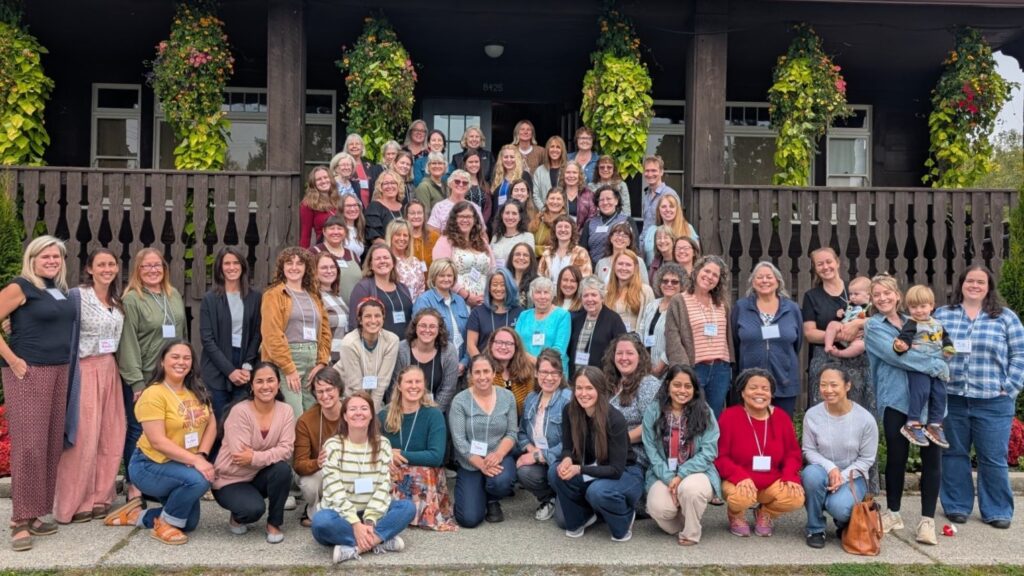
Throughout the 30+ years of its existence, Washington SNAP-Ed always embodied the values of community service, cooperation, collaboration, and coordination. The following timeline highlights important projects, programs, and changes during this time in communities across the state.
1991-2001
1991
- Washington State SNAP-Ed began in Federal Fiscal Year 1992 (October 1991) as one of seven states to adopt the Food Stamp Nutrition Education (FSNE) program in its inaugural year.
1992
- Washington State University Cooperative Extension in Chelan and Douglas counties leads the first SNAP-Ed programming in the state.
1992-2001
- FSNE expanded implementation to more areas throughout the state, added community-based approaches, and incorporated physical activity programming.
2002-2010
2002
- Food $ense Nutrition Education Program expands to WSU Spokane County Extension.
- The “Nutrition in Me” curriculum began being used to lead nutrition education workshops in schools.
2004
- SNAP-Ed became active in 52 states and territories, delivered by 93 state implementing agencies nationwide.
- WSU Clark County Extension started programs in school classrooms.
2006
- WSU Spokane County Extension grew to 23 educators and 23 part time assistants.
- Local cost sharing/funding match was implemented.
- SNAP-Ed started in Mattawa.
- WSU King County Extension SNAP-Ed grew to 17 educators, plus additional support staff.
2010
- The Healthy Hunger Free Kids Act (HHFKA) rebrands FSNE as the Supplemental Nutrition Assistance Program-Education (SNAP-Ed) and establishes SNAP-Ed as the Nutrition Education Obesity Prevention Grant (NEOPG) program.
- Changes to federal SNAP-Ed guidance were legislated in HHFKA and incorporated over the following years, including: officially incorporating multi-level, community, and public health approaches; expanding SNAP-Ed eligibility; adding an obesity-prevention focus in addition to nutrition education; requiring coordination and collaboration with other health promotion efforts; and changing the funding model
- The Washington State Department of Health (DOH) became an Implementing Agency of SNAP-Ed (in addition to WSU Extension) and contracting with local health jurisdictions, healthcare organizations, community-based organizations, and nonprofits.
2011-2016
2012
- Policy, Systems, and Environmental (PSE) approaches, originally legislated as “Public Health Approaches” in HHFKA, began being planned and implemented by Washington SNAP-Ed programs.
- Around this time, SNAP-Ed reaches it’s height in Washington, with a state allocation of over $13 million for one federal fiscal year.
2013
- Statewide physical activity initiatives are introduced to coordinate and expand on the work being done by local implementing agencies to promote safe and affordable opportunities for physical activity.
- In schools, SNAP-Ed programs began implementing the “Marty Moose” nutrition education curriculum in addition to “Nutrition in Me.”
- Federal government shutdown caused the lay-offs of many SNAP-Ed staff and interrupted SNAP-Ed programming across the state.
- After resuming operations, Washington SNAP-Ed suffered a mid-year budget sequestration of 26.5% of SNAP-Ed Funds.
2014
- USDA’s Food and Nutrition Services Western Region office released a new Evaluation Framework for SNAP-Ed.
- School partnerships expanded to include Smarter Lunchrooms work to promote healthier options in school cafeterias, and fruit and vegetable tasting challenges and classroom competitions.
- Seattle began piloting a matching nutrition incentive program at select farmers markets called Fresh Bucks, supported by local SNAP-Ed providers.
2015
- The Food Insecurity Nutrition Incentive (FINI) Program is established at the national level, and Washington wins first FINI grant to expand nutrition incentive work at farmers markets (based on Fresh Bucks in Seattle). FINI later became the Gus Schumacher Nutrition Incentive Program (GusNIP), which now supports Washington’s Fruit and Vegetable Incentive Programs (FVIP) SNAP Market Match, SNAP Produce Match, and Fruit and Vegetable Prescriptions (Rx). SNAP-Ed programs across the state have been essential to the introduction, implementation, and promotion of these programs and have provided substantial support to shoppers, food retailers, and other partners.
2016
- The SNAP-Ed Evaluation Framework, including new and updated evaluation guidance, was adopted nationally along with the SNAP-Ed Toolkit, expanding access to evaluation methods and tools.
- Kitsap Public Health was awarded SNAP-Ed funding for the first time.
- WSU King County Extension began a partnership with a school to start a school garden program.
- WSU Island County Extension was awarded a Farm to School grant to build two school gardens, at Crescent Harbor Elementary and Olympic View Elementary.
- Many local SNAP-Ed programs expanded partnerships beyond schools to include community sites such as food banks, affordable housing, Community Services Offices and more.
- DSHS called for proposals for a statewide hub model for SNAP-Ed, coined the “regional model”. This model established five regions, two led by WSU, two led by DOH, and one by a new Implementing Agency, the Spokane Regional Health District (SRHD).
2017-2025
2017
- As the regional model launched in 2017, it also established a statewide support structure, bringing on a team for statewide evaluation and a team to support curriculum fidelity, communication, and training efforts.
- The change in SNAP-Ed during the regional model enhanced collaboration and partnership, and PSE initiative implementation expanded, including new school gardens and in-garden education at several sites, the introduction of Systems Approaches for Healthy Communities trainings, and other new opportunities.
- Washington State Farmers Market Association, along with SNAP-Ed support, established the Regional Leads Model. This initiative increased the number of SNAP authorized farmers and Farmers Markets from about 36 to over 100.
2018
- The federal Farm Bill included seven provisions to improve SNAP-Ed implementation and reporting.
- Food Smarts, a trauma-informed nutrition education curriculum developed by Leah’s Pantry is adopted by Washington SNAP-Ed to expand teaching options for both youth and adults.
- Farm to Food Pantry efforts coalesced as local partners began to connect as a statewide workgroup.
- Healthy King County Coalition partnered with multiple SNAP-Ed providers in the area to ensure community voice in the passing of a new Sugar Sweetened Beverage tax in the City of Seattle. This critical support and advocacy for community needs helped establish a Community Advisory Board to inform the distribution of tax revenues and secured significant funding for food access and nutrition incentive programs in Seattle for many years to come.
- SNAP-Ed became a core partner of the Washington Farm to School Network.
2019
- New school and community gardens were established, by WSU Cowlitz County Extension in the Highlands Community Garden, and at Envision Career Academy in Thurston County.
- The Snohomish County Food Resource map launched by SNAP-Ed and other local partners.
- In Mattawa, SNAP-Ed was asked to help plan and develop a school garden and found success with after school gardening club, which led to a partnership with school contracted staff to teach classes during the school day.
2020
- The COVID-19 pandemic drastically changed how SNAP-Ed programming was delivered, but as one long-time staff member stated, “SNAP-Ed would not stop just because in-person classes couldn’t happen.”
- SNAP-Ed providers across the state began to connect virtually with their communities and each other. The Curriculum, Training, and Website (CTW) team established new, virtual ways of sharing best practices, current efforts, and relevant resources through What’s Up Wednesdays, Friday Forums, and online trainings and statewide forums.
- Workgroups were formed to adapt nutrition education curricula and materials for virtual delivery, and many SNAP-Ed providers led virtual nutrition education, cooking classes, and other virtual community events.
- SNAP-Ed providers partnered with school food service to distribute food boxes, school garden produce, grow-at-home kits, and other resources to families. SNAP-Ed staff consulted on drive-through distributions and delivery routes so all families were included and able to access much-needed support.
2021
- SNAP-Ed was active in 53 states and territories, and delivered by 164 state implementing agencies nationwide.
- 2% of SNAP-Ed funding was redirected for training, technical assistance, and pilot projects which led to the establishment of USDA’s Nutrition Education Branch (NEB).
- SNAP-Ed continued to be an active partner in new and creative food access and physical activity projects in local communities, including activities such as establishing a walking school bus and the Lewis County Food Coalition Partnership.
2022
- Statewide coordination of SNAP-Ed efforts also continued, with the establishment of the Local Food Procurement Workgroup and the FVIP Community of Practice.
- CTW developed a curriculum rubric to evaluate SNAP-Ed curricula for equity, universal design, and other implementation considerations to improve the accessibility and relevance of SNAP-Ed direct nutrition education.
2023
- As part of a growing focus within SNAP-Ed on health equity and culturally responsible programming, WSU Skagit County Extension offered classes in Spanish at several sites.
- Cook Washington Meal Kits were created and distributed with support from SNAP-Ed.
- WSU Chelan-Douglas Extension developed a Story Walk PSE project and won an award for their work.
- SNAP-Ed became a key partner on the Team Nutrition grant and Power Up Your Program, supporting child nutrition program enhancements alongside the Office of the Superintendent of Public Instruction (OSPI).
- Implementation of national electronic SNAP-Ed Reporting System (National PEARS) began.
2024
- WA SNAP-Ed shifted back to a statewide model, away from a regional hub model. Although the model shifted, the collaborative spirit of the regional model continued as statewide support contracts were maintained and efficiencies allowed SNAP-Ed dollars to be stretched further.
- CTW revised and updated “Eating Well For Less,” a handbook of recipes and healthy living tips for public distribution in multiple languages.
- SNAP-Ed leadership and providers worked to increase awareness and access to SNAP-Ed services for individuals with Intellectual and Developmental Disabilities (IDD) through capacity-building trainings for staff and the provision of adaptive cooking kits for use in nutrition education workshops.
- SNAP-Ed participated in the Food, Mood, and Substance Use Symposium in San Diego. WSU Yakima County Extension staff spoke on a panel representing gardening.
- Co-Convened SNAP-Ed in Schools workgroup with OSPI to share successes, lessons learned, and opportunities.
- In partnership with Leah’s Pantry and a Learning Collaborative of SNAP-Ed providers and partners, CTW completed efforts to make adaptations to the Food Smarts curriculum to improve relevancy and appropriateness for participants in substance abuse disorder recovery.
2025
- CTW, Leah’s Pantry, and an Advisory Network of SNAP-Ed staff experienced in providing garden-enhanced nutrition education collaborated to create the Garden Smarts curriculum currently being piloted in Washington and California.
- The Washington Farm to School Network Charter developed and formalized a partnership with SNAP-Ed.
- The Griot School Garden program (supported by WSU King County Extension SNAP-Ed) expanded to include 500 sq-ft of food, orchards, compost systems, rain barrels, and an outdoor education structure. 22,000 collective hours of garden education were provided during the school day in 2025.
- On July 4th, 2025, HR-1 (the “One Big Beautiful Bill Act”) was signed into law, ending the funding mechanism for SNAP-Ed effective September 30th, 2025.
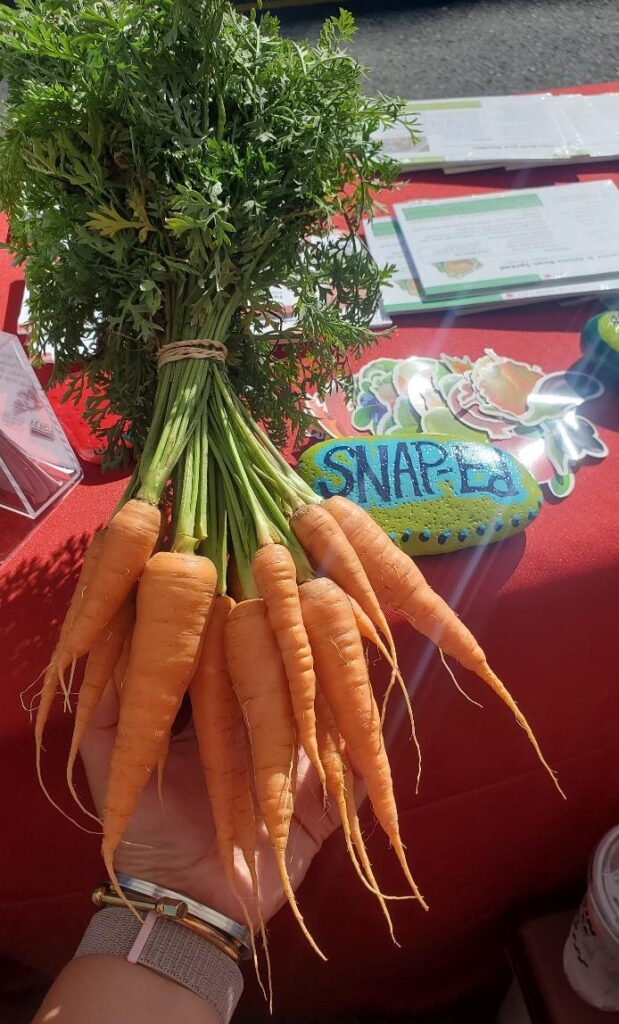
Over the past thirty years, the Washington state SNAP-Ed program has grown in partnerships, knowledge, and heart. Across the state, local health jurisdictions, Tribal Nations, healthcare organizations, non-profits, and WSU Extension offices worked together to educate Washingtonians and improve the environments where they live, work, play, and learn. We collaborated with communities, schools, grocery stores, food banks, farms, hospitals, childcare centers, farmers markets, and so many others to act on changes they felt would help make them healthier. Our hands were in the garden’s dirt, the school lunchroom’s procurement plans, and workplace breastfeeding policies. SNAP-Ed is loved and respected by all who’ve partnered with us. Together, we’ve created meaningful, lasting change.
Washington State SNAP-Ed Retrospective Report